Leading supplier of aluminum, stainless steel, brass, copper, nylon, and Teflon profiles and sheets.

Popular Posts
January 8, 2025
January 22, 2025
January 28, 2025
February 4, 2025
February 25, 2025
Understanding How Nylon Fabric Is Produced
Nylon has revolutionized the textile industry with its versatility, durability, and lightweight nature. From fashion apparel to industrial applications, nylon fabric remains a cornerstone of modern textiles. Understanding how nylon is made offers insights into its performance, sustainability, and applications.
This guide explores the entire process, from raw materials to finished fabric, while highlighting key industry practices and innovations.
What Is Nylon Fabric?
Nylon is a fully synthetic polyamide fiber first introduced in the 1930s. It is created from chemical building blocks derived from petrochemicals. Unlike natural fibers, nylon offers high tensile strength, elasticity, and abrasion resistance, making it ideal for a variety of uses. Its quick-drying properties and lightweight nature have made it popular in sportswear, outdoor gear, and technical textiles.
The manufacturing process of nylon yarn and fabric involves multiple stages, each carefully controlled to ensure quality. Today, manufacturers are also exploring recycled nylon and bio-based alternatives to reduce environmental impact.
Raw Materials Used in Nylon Production
The foundation of nylon manufacturing lies in petrochemical monomers. The two primary monomers are hexamethylenediamine and adipic acid, which react to form a nylon salt. This salt is the precursor to the polymer chains that form nylon fibers. Additional chemicals such as UV stabilizers, flame retardants, and colorants can be incorporated during production to tailor fabric performance.
For practical applications, industries often rely on pre-processed nylon sheets and bars in UAE for precision machining and further production. Choosing the right raw materials and additives is critical for meeting industry standards and functional requirements.
Polymerization Process
The first step in creating nylon fibers is polymerization, where nylon salt undergoes condensation to form long polymer chains. The polymerization process directly impacts the fiber’s strength, elasticity, and durability.
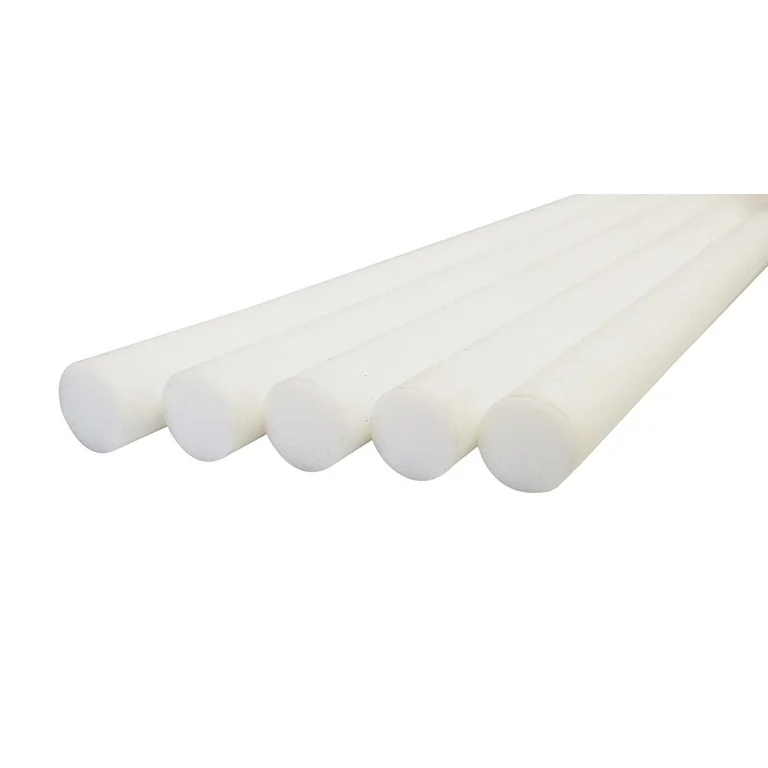
Once polymerized, the nylon polymer is cooled and cut into small chips, sometimes called nylon pellets. For specialized industrial uses, these polymers are often shaped into nylon round bars to facilitate precision machining and extrusion processes.
Extrusion and Spinning
Extrusion is the process where nylon pellets are melted and pushed through spinnerets to form continuous filaments. Spinnerets are precision-engineered tools with tiny holes that shape molten polymer into fine fibers.
After extrusion, fibers undergo drawing, a stretching process that aligns polymer molecules to increase tensile strength and elasticity. Drawing also defines the fiber diameter, impacting the final fabric texture and hand feel.
Yarn Formation and Texturing
Once filaments are drawn, they are converted into nylon yarns. Continuous filaments can be spun into multifilament yarns or cut into staple fibers for blending with other materials.
Texturing techniques, such as false-twist or air-jet texturing, add bulk and elasticity to the yarn, giving it a soft hand and improved stretch. Textured yarns are widely used in sportswear, hosiery, and stretch fabrics.
Meanwhile, in industrial contexts, nylon is frequently processed into nylon square bars for structural components, mechanical parts, or heavy-duty assemblies where durability and precision are essential.
Fabric Construction Methods
Nylon fabric can be produced using various construction techniques depending on its intended application.
- Woven fabrics such as taffeta, ripstop, and dobby provide high dimensional stability and are commonly used for jackets and industrial materials.
- Knitted fabrics like tricot or warp knit are softer, stretchable, and ideal for activewear and lingerie.
The choice of weave or knit impacts fabric durability, drape, and performance. Manufacturers often combine nylon with other fibers like spandex to enhance stretch and recovery.
Finishing Treatments
After construction, nylon fabrics undergo finishing processes to enhance their properties. Common finishes include:
- Water repellency for outdoor and performance wear.
- UV protection for sun-sensitive applications.
- Antimicrobial treatments for medical textiles and sportswear.
- Flame retardant coatings for industrial use.
These finishes not only improve performance but also extend the life of the fabric, meeting specific industry standards.
Sustainability in Nylon Production
The textile industry is moving towards more sustainable practices. Recycled nylon, often sourced from post-consumer waste like fishing nets or carpets, significantly reduces energy consumption and carbon emissions.
Bio-based nylons derived from renewable resources are also emerging, offering an alternative to conventional petrochemical-based nylon. Choosing sustainable nylon fabric suppliers ensures compliance with environmental regulations while promoting circular economy practices.
Types of Nylon
Nylon 6
Nylon 6 is known for its excellent elasticity and lightweight feel. It is soft, smooth, and ideal for hosiery, lingerie, and stretch fabrics where flexibility is important.
Nylon 6,6
Nylon 6,6 is stronger and more heat-resistant than Nylon 6. It is widely used in industrial fabrics, ropes, and heavy-duty apparel due to its durability and abrasion resistance.
Nylon 6,10 and 6,12
Nylon 6,10 and 6,12 offer lower moisture absorption and better chemical resistance. These types are perfect for technical textiles, automotive parts, and industrial applications.
Recycled Nylon
Recycled nylon comes from post-consumer waste like carpets and fishing nets. It provides similar strength and performance while supporting sustainable and eco-friendly production.
Specialty Bio-based Nylons
Bio-based nylons are made from renewable resources. They are used in sustainable apparel and performance textiles, combining environmental benefits with high durability.
Common Applications of Nylon Fabric
Nylon is incredibly versatile. Its applications span fashion, sports, industrial, and technical textiles. Some common uses include:
Fashion and Apparel
- Activewear, hosiery, lingerie, and jackets.
- Stretch fabrics and blends with spandex for comfort and recovery.
Outdoor and Performance Gear
- Tents, backpacks, ropes, and tarpaulins.
- Coatings for waterproof and UV-resistant fabrics.
Industrial and Technical Textiles
- Conveyor belts, automotive textiles, protective clothing.
- Flame-retardant and high-strength fabrics.
Sustainable and Recycled Nylon
- Eco-friendly bags, footwear, and textiles using recycled post-consumer nylon.
Its combination of strength, elasticity, and lightweight properties makes nylon suitable for almost any high-performance textile requirement. For sourcing reliable materials, businesses can connect with a trusted nylon sheet supplier in UAE to ensure consistent supply, expert guidance, and high-quality nylon products tailored to project needs.
Advantages and Limitations
Advantages of nylon fabric:
- High tensile strength and durability.
- Excellent abrasion and wear resistance.
- Quick-drying and lightweight.
- Stretchable and resilient.
Limitations:
- Susceptible to UV degradation over time.
- Generates static electricity.
- Limited moisture absorption compared to natural fibers.
- Potential microplastic concerns in synthetic blends.
Understanding these characteristics helps manufacturers and consumers make informed choices about fabric selection.
AI Overview
Learn how nylon fabric is made, its types, properties, uses, manufacturing process, and sustainable solutions for fashion, industrial, and technical textiles. Explore key innovations, finishing treatments, and eco-friendly alternatives shaping modern nylon production.
FAQs
How is nylon fabric made?
Nylon is made by polymerizing chemical monomers into long chains, then extruding them into fibers. These fibers are drawn, spun into yarn, and woven or knitted into fabric.
What are 5 facts about nylon?
Nylon is a synthetic polyamide, lightweight, durable, elastic, and quick-drying. It is used in apparel, industrial textiles, and technical applications.
How is nylon prepared class 8?
Class 8 nylon preparation involves polymerization of hexamethylenediamine and adipic acid to form nylon salt, followed by extrusion and spinning into fibers.
What are the properties of nylon fabric?
Nylon fabric is strong, elastic, abrasion-resistant, lightweight, quick-drying, and can be treated for UV protection, water repellency, and flame resistance.
Final Thoughts
Nylon fabric is a versatile and durable material that has transformed textiles across fashion, sports, and industrial applications. Understanding its types, properties, and manufacturing process helps in selecting the right fabric for specific needs. With sustainable options like recycled and bio-based nylons, modern production balances performance with environmental responsibility.
For reliable, high-quality industrial materials and textiles tailored to your project needs, Hussain Aluminium Co L.L.C provides consistent supply, expert guidance, and solutions designed for lasting performance.
Connect with our textile materials experts today to discuss your project requirements and source high-performance nylon fabrics designed for durability and reliability.
Related Guides to Master Industrial Materials in the UAE
Access expert guidance on aluminum, metals, and industrial materials tailored for reliable project planning across the UAE.
- Stainless Steel Surface Finishes and Their Applications: Explore the types and uses of stainless steel finishes
- Corrosion-Resistant Metals: How to Choose the Right One: Choose materials that deliver strength, safety, and long-term reliability.
- Nylon vs Teflon: Key Differences & Industrial Applications: Comparing Nylon and Teflon for Industrial Performance
- How Weather and Humidity Affect Brass Instruments: Explains how climate conditions impact brass instrument performance and durability.
- UAE’s Aluminium Boom: What’s Powering the New Surge: Covers key drivers behind the rapid growth of the UAE aluminum industry.
copyright © Hussain Aluminium Co L.L.C. All Rights Reserved.