Leading supplier of aluminum, stainless steel, brass, copper, nylon, and Teflon profiles and sheets.


Popular Posts
January 8, 2025
January 22, 2025
January 28, 2025
February 4, 2025
February 25, 2025
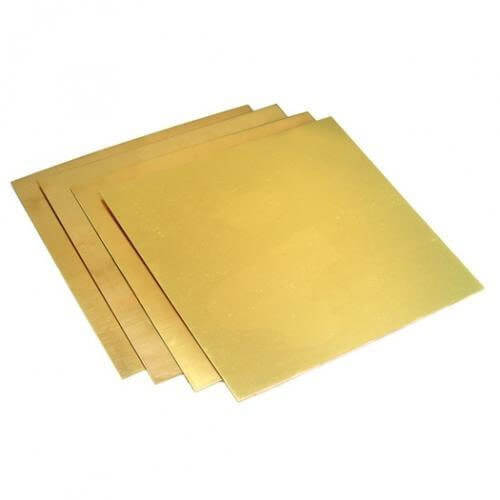
Copper vs Brass: Electrical Conductivity Comparison
In electrical use, suitable selection of the conducting material is essential to guarantee efficiency, dependability, and safety. Brass and copper are two of the most common metals in electrical engineering. Both metals have widely been used in almost all industries within the Emirate, from power transmission and construction to electronics manufacture.
Each of these materials, though, offers distinctive advantages, particularly concerning electrical conductivity, cost, longevity, and maintenance. This blog discusses the characteristics of copper and brass, contrasts their conductivity, and assists industries in determining which material is best for their electrical undertakings.
Understanding Electrical Conductivity
Electrical conductivity refers to the ability of a material to conduct electric current. High conductivity reduces energy loss and enhances system efficiency, which is essential in industrial and business settings.
Copper is also highly renowned for its higher electrical conductivity, typically ranging from 58 to 62 million Siemens per meter (MS/m). Copper, due to its high conductivity, is most ideally suited for wiring, busbars, connectors, and power distribution networks.
Brass, an alloy of copper and zinc, has lower conductivity, typically ranging between 15 to 40 MS/m depending on the composition. Brass is a good conductor but, owing to the zinc content, has lower conductivity than copper.
In summary, copper provides superior efficiency for high-performance electrical systems, while brass balances conductivity with other benefits like strength and corrosion resistance.
Copper Conductivity: The Benchmark
Copper’s electrical conductivity makes it the preferred choice in high-demand electrical projects across the Emirate, including Dubai’s commercial buildings and Abu Dhabi’s power plants. Key benefits of copper include:
- Low electrical resistance, ensuring minimal power loss in transmission.
- High thermal conductivity to permit efficient heat dissipation in high-current use.
- Weather resistance and corrosion protection, especially with protective coating or insulated sheathing.
Copper is well-distributed for mission-critical purposes such as electrical panels, transformers, and busbars where efficiency is paramount. Its load-carrying performance and high temperature operation are unmatched, becoming the benchmark for local industries to entrust reliable energy systems.
Brass Conductivity: How It Compares
Brass offers mean electrical conductivity but is often the material preferred for use in applications where mechanical strength, durability, and appearance are crucial alongside conductivity. Key features of brass are:
- Mechanical strength: Brass is more powerful than pure copper when applied in fittings, connectors, and terminals.
- Corrosion resistance: Particularly in coastal areas of Dubai, brass resists saltwater corrosion more than plain copper.
- Versatility: Brass can be alloyed with other components to obtain custom electrical and mechanical characteristics.
While less conductive than copper, brass finds extensive application in electrical connectors, switches, and trim electrical parts, where strength is as important as the passage of electricity.
Preeminent Points to Keep in Mind While Choosing Brass vs Copper
1. Electrical Efficiency
For uses where maximum conductivity is the priority, copper can’t be surpassed. Its superior efficiency reduces energy losses to a minimum and optimizes system life. Brass is suitable for circuits where minute losses are acceptable and mechanical factors are of primary concern.
2. Cost-Effectiveness
Brass is generally cheaper than copper, especially where maximum mechanical strength without ultimate conductivity is required. In manufacturing and construction sectors, the choice of brass can reduce initial cost without compromising on electrical performance in secondary circuits.
3. Environmental Resistance
Copper oxidizes readily but may be coated. Brass is naturally resistant to corrosion and tarnish and is thus appropriate for outdoor electrical fixings, marine equipment, and wet locations like coastal regions.
4. Durability and Maintenance
Less frequent maintenance is required in standard applications for copper due to its high conductivity and stability, whereas brass may require occasional monitoring in high-current applications for safe connections and rust-free environments.
5. Application Specificity
Copper: Best suited for high-power transmission, busbars, wiring, and electronic parts where conductivity is the primary requirement.
Brass: Used for terminals, connectors, fittings, switches, and exposure to mechanical stress or environmental corrosion.
Conductivity Comparison Table
| Property | Copper | Brass |
|---|---|---|
| Electrical Conductivity | 58–62 MS/m | 15–40 MS/m |
| Thermal Conductivity | High | Moderate |
| Mechanical Strength | Moderate | High |
| Corrosion Resistance | Moderate (needs coating) | High |
| Typical Applications | Wiring, busbars, power transmission | Connectors, terminals, decorative fittings |
| Cost | Higher | Lower |
Application in Real World
Power Plants & Energy Industry:
Copper is utilized in high-voltage wiring, transformers, and busbars due to the minimal power loss. In sheet metal and fabrication. Copper sheet is the better option for applications that require maximum electrical flow, and minimal energy loss
Building & Construction Automation:
Brass connectors and brass fittings are used for applications in humid and coastal conditions in switchgear, door hardware, and junction boxes. Brass hex bar and brass flat bar are commonly used for mechanical and structural parts to add strength and corrosion resistance.
Marine & Offshore Projects
Brass components resist corrosion from saltwater, and copper round bar and brass round bar are used in fabrication for heavy-duty mechanical parts, withstanding long times in harsh conditions.
Electronics Manufacturing:
Copper traces and terminals are responsible for best energy flow, brass sheet and brass square bar provide rugged housings and frames for equipment, striking a balance between conductivity and mechanics.
Why Conductivity Matters
Electrical conductivity has direct consequences for:
- Energy efficiency: Greater conductivity reduces heat loss and energy consumption.
- Safety: Less resistance prevents overheating and the risk of fire.
- Equipment longevity: Wasteful materials like copper extends transformer, motor, and panel life.
Material selection is a critical decision for UAE industries with expanding energy demand and severe operating environments.
FAQs
What conducts electricity better, copper or brass?
Copper conducts electricity better than brass due to its higher electrical conductivity. Brass, an alloy of copper and zinc, is less efficient for electrical flow.
Which one is better, copper or brass?
Brass is better for fittings and decorative purposes due to corrosion resistance and durability, while copper excels in electrical and plumbing applications for conductivity and heat transfer. Choice depends on the specific use.
Which metal has the best electrical conductivity?
Silver has the highest electrical conductivity of all metals, making it the most efficient for transmitting electricity. Copper is commonly used in practice due to its high conductivity and lower cost.
Is brass wire stronger than copper wire?
Yes, brass wire is generally stronger and more durable than copper wire due to its alloy composition, but it has lower electrical conductivity compared to copper.
Conclusion: Which Material to Use?
Your decision between brass and copper is based on your application, environment, and cost:
Copper: Ideal for high-performance electrical applications, power transmission, and use where maximum conductivity is required.
Brass: Ideal for mechanically stressed applications, connectors, fittings, and corrosive exposures.
Both metals are used in projects: copper in conductivity-heavy applications and brass in hard fittings and corrosion-resistant components. Correct installation, upkeep, and procurement from trusted UAE suppliers like Hussain Aluminium Co L.L.C.
Read More Aluminum & Metal Industry Insights
Explore expert guides on aluminum, metals, and industrial materials to help you make informed choices for your projects in Dubai and across the UAE.
- Choose the Right Aluminum Alloy – Discover how to select the appropriate aluminum alloy for your specific project needs.
- Aluminum vs Stainless Steel: Material Comparison – Compare aluminum and stainless steel to choose the best material for durability, strength, and cost.
- Threats Facing the Aluminum Industry – Learn about current challenges and risks in the global and UAE aluminum industry.
- Something Big Coming in the Aluminum Industry, Dubai – Stay updated on upcoming developments and innovations in the Dubai aluminum market.
- Teflon, Copper & Acrylic: Industrial Uses in UAE – Explore how these versatile materials are transforming industrial and manufacturing processes across the UAE.
- Steel Fabrication in Construction: Dubai, UAE – Learn about steel fabrication processes and their applications in UAE construction projects.
copyright © Hussain Aluminium Co L.L.C. All Rights Reserved.