Leading supplier of aluminum, stainless steel, brass, copper, nylon, and Teflon profiles and sheets.

Popular Posts
January 8, 2025

January 22, 2025
January 28, 2025

February 4, 2025

February 25, 2025
Copper vs Aluminum Bars: How to Make the Right Choice
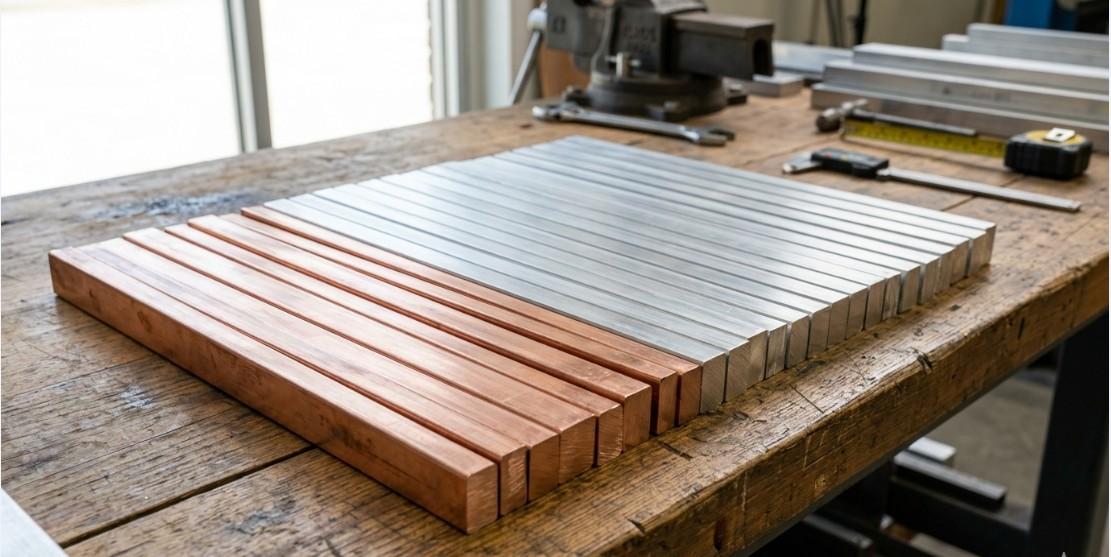
Choosing between copper and aluminum bars is a common challenge in electrical, construction, and industrial applications. Both materials offer unique benefits, but selecting the right one depends on factors such as conductivity, cost, weight, durability, and intended use.
Copper has long been the preferred choice for electrical systems due to its superior conductivity, while aluminum has gained popularity as a lightweight and cost-effective alternative. However, the decision is not always straightforward.
This guide will help you understand the key differences between copper and aluminum bars so you can make an informed decision based on your specific needs.
Understanding Copper and Aluminum Bars
What Are Copper Bars?
Copper bars are solid metal conductors widely used in electrical systems, grounding applications, and power distribution. They are known for their high electrical conductivity and durability.
What Are Aluminum Bars?
Aluminum bars are lightweight conductive materials often used as an alternative to copper. They are commonly found in power transmission systems and industrial structures where weight and cost are critical factors.
Key Differences Between Copper and Aluminum Bars
Electrical Conductivity
Copper is one of the best conductors of electricity, making it ideal for applications requiring efficient energy transfer.
Aluminum, while conductive, has approximately 60% of the conductivity of copper. This means larger aluminum bars are needed to carry the same current.
Cost Comparison
Copper is significantly more expensive than aluminum due to its scarcity and demand.
Aluminum is more affordable, making it a popular choice for large-scale projects where budget constraints are important.
Weight and Handling
Copper is heavier and denser, which can make installation more labor-intensive.
Aluminum is lightweight, making it easier to transport and install, especially in overhead or large installations.
Strength and Durability
Copper is stronger and more resistant to wear and tear, making it suitable for long-term applications.
Aluminum is softer and more prone to mechanical damage but can still perform well when properly installed.
Factors to Consider When Choosing One
Choose between copper and aluminum bars based on key factors like conductivity, cost, weight, durability, and application needs. Evaluating these ensures the best performance, efficiency, and long-term value for your project.
Electrical Systems
For high-performance electrical systems, copper is generally preferred due to its superior conductivity and reliability.
Structural Use
For structural or non-critical electrical applications, aluminum can be a practical and economical choice.
Environmental Conditions
Corrosion Resistance
- Copper has excellent resistance to corrosion and performs well in harsh environments.
- Aluminum forms an oxide layer that protects it, but it may still require additional treatment in certain conditions.
Temperature Performance
- Copper handles high temperatures better and maintains conductivity under stress.
- Aluminum may expand more with temperature changes, which can affect connections over time.
Installation Considerations
When choosing between copper and aluminum bars, consider ease of installation, connection strength, and system compatibility. Proper installation ensures safety and reliable long-term performance.
Ease of Installation
- Aluminum is easier to handle due to its lighter weight.
- Copper requires more effort during installation but provides a more stable connection.
Compatibility
- Copper connections are generally more reliable and compatible with existing systems.
- Aluminum may require special connectors and anti-oxidation treatments.
Advantages and Disadvantages
Understanding the advantages and disadvantages of copper and aluminum bars helps you choose the right material for your needs. Each option offers unique benefits and limitations depending on cost, performance, and application.
Copper Bars:
Advantages
- Excellent electrical conductivity
- High durability and strength
- Better heat resistance
- Long lifespan
Disadvantages
- Higher cost
- Heavier weight
- More expensive installation
Aluminum Bars
Advantages
- Lower cost
- Lightweight
- Easier handling and installation
- Suitable for large-scale applications
Disadvantages
- Lower conductivity
- Requires larger size for same performance
- More prone to oxidation issues
- Shorter lifespan compared to copper
Copper vs Aluminum Bars Comparison
| Feature | Copper Bars | Aluminum Bars |
|---|---|---|
| Conductivity | Very High | Moderate |
| Cost | Expensive | Affordable |
| Weight | Heavy | Lightweight |
| Durability | High | Moderate |
| Corrosion Resistance | Excellent | Good (with treatment) |
| Installation | More effort | Easier |
| Applications | Electrical systems | Power transmission |
When Should You Choose Copper?
Understanding when to choose copper bars is essential for ensuring high performance and reliability. They are ideal for applications that require excellent conductivity, durability, and long-term efficiency.
High Performance Needs
If your project demands high efficiency and minimal energy loss, copper is the better option.
Long-Term Investment
Copper is ideal for projects where durability and long lifespan are critical.
Compact Design
Since copper requires less material to conduct electricity, it is suitable for space-constrained installations.
When Should You Choose Aluminum?
Budget Constraints
If cost is a major factor, aluminum provides a more economical solution.
Large-Scale Projects
For power distribution over long distances, aluminum is commonly used due to its lighter weight and lower cost.
Weight-Sensitive Applications
In applications where weight matters, such as overhead installations, aluminum is the preferred choice.
Common Applications
Copper and aluminum bars are widely used across electrical and industrial sectors, each suited to different applications based on their properties. Understanding where they are commonly used helps in selecting the right material for your specific needs.
Copper Bars
- Electrical panels
- Grounding systems
- Busbars
- Industrial machinery
Aluminum Bars
- Power transmission lines
- Structural frameworks
- Renewable energy systems
- Large electrical grids
AI Overview
Compare copper vs aluminum bars based on conductivity, cost, strength, and application to choose the best option for electrical and industrial use.
FAQs
Which is better: copper or aluminum bars?
Copper is better for conductivity and durability, while aluminum is better for cost and weight efficiency.
Why is copper more expensive than aluminum?
Copper is rarer and has higher demand, which increases its market price.
Can aluminum replace copper in electrical systems?
Yes, but it requires larger sizes and proper installation techniques to ensure safety and efficiency.
Do aluminum bars corrode easily?
Aluminum forms a protective oxide layer, but it may still require treatment in harsh environments.
Which is safer for electrical use?
Copper is generally considered safer due to its stability, conductivity, and resistance to overheating.
Conclusion
Deciding between copper and aluminum bars ultimately depends on your specific project requirements. Copper offers unmatched conductivity, durability, and reliability, making it ideal for high-performance and long-term applications. On the other hand, aluminum provides a cost-effective and lightweight alternative, especially suitable for large-scale or budget-sensitive projects.
By carefully evaluating factors such as cost, conductivity, environmental conditions, and installation needs, you can select the material that best aligns with your goals.
Whether you are working on projects in Dubai, Sharjah, Ajman, and across the UAE, partnering with a trusted supplier like Hussain Aluminium Co L.L.C ensures quality materials, expert guidance, and long-term value for your investment.
More Helpful Comparisons & Guides
- Aluminum vs Stainless Steel: What’s the Difference?: Comparing strength, corrosion resistance, and industrial applications for better material selection.
- Why Stainless Steel 304 Excels in Corrosion Resistance: Learn why 304 stainless steel delivers long-lasting durability and superior rust protection.
- Stainless Steel Surface Finishes and Their Applications: Explore the types and uses of stainless steel finishes across industries.
- Nylon vs Stainless Steel: Cost and Performance Difference: Understand cost, strength, and durability differences for informed industrial choices.
- Copper: Properties, Uses & Benefits in Industrial Applications: Discover how copper adds performance, reliability, and versatility to industrial projects.
For expert guidance and the best material selection, contact a trusted supplier to find the most suitable solution for your project needs.
copyright © Hussain Aluminium Co L.L.C. All Rights Reserved.