Leading supplier of aluminum, stainless steel, brass, copper, nylon, and Teflon profiles and sheets.

Blog
Popular Posts
January 8, 2025
January 22, 2025
January 28, 2025
February 4, 2025
February 25, 2025
Why the Brass Square Bar Is a Must-Have for Electrical Applications
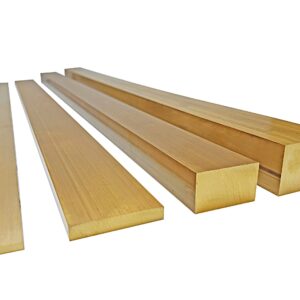
Among these materials, the brass square bar stands out as an essential component for numerous electrical applications. This versatile material offers unique properties that make it indispensable for electrical engineers, contractors, and manufacturers working on projects ranging from residential installations to industrial power systems.
Understanding Brass Square Bar Properties
The brass square bar combines copper and zinc in precise proportions, creating an alloy that exhibits excellent electrical conductivity while maintaining superior mechanical properties.
This combination makes it particularly suitable for electrical applications where both current-carrying capacity and structural integrity are crucial.
The square profile provides optimal surface area for electrical connections while offering ease of installation and mounting.
Electrical Conductivity Advantages
The brass square bar offers excellent electrical conductivity, typically ranging from 20% to 28% of copper’s conductivity, depending on the specific alloy composition.
While this is lower than pure copper, brass provides additional benefits that often make it the preferred choice for specific electrical applications.
The conductivity remains stable over time, ensuring consistent electrical performance throughout the component’s service life. Temperature stability represents another significant advantage of brass square bar in electrical applications.
The material maintains its electrical properties across a wide temperature range, making it suitable for both indoor and outdoor electrical installations.
Mechanical Strength and Durability
The brass square bar exhibits superior mechanical strength compared to pure copper, making it ideal for electrical applications requiring structural support. This strength allows for the creation of robust electrical connections and mounting systems that can withstand mechanical stress without compromising electrical performance.
Machinability represents a crucial advantage of brass square bar for electrical applications. The material can be easily cut, drilled, and shaped using standard machining techniques, allowing for precise customization to meet specific electrical requirements. This workability enables manufacturers to create complex electrical components while maintaining tight tolerances and smooth finishes.
Common Electrical Applications
Electrical busbars represent one of the most common applications for brass square bar in power distribution systems. The square profile provides excellent current-carrying capacity while offering multiple mounting options for electrical connections.
Terminal blocks and connection strips frequently utilize brass square bar due to its excellent electrical and mechanical properties. The material’s corrosion resistance ensures reliable connections over extended periods, while its strength allows for secure mounting of electrical terminals.
Installation and Fabrication Benefits
The brass square bar offers significant advantages during installation and fabrication processes. Its workability allows for easy cutting and shaping on-site, reducing installation time and costs. The material accepts various joining methods, including soldering, brazing, and mechanical fastening, providing flexibility in electrical system design and construction.
Cost-Effectiveness and Value
While a brass square bar may have a higher initial cost than some alternatives, its long-term value makes it cost-effective for electrical applications. The material’s durability and low maintenance requirements reduce overall lifecycle costs, making it an economical choice for critical electrical systems. The combination of performance and longevity provides an excellent return on investment.
Selection Criteria for Electrical Applications
Choosing the right brass square bar for electrical applications requires consideration of several factors. Current-carrying requirements determine the minimum cross-sectional area needed, while environmental conditions influence the specific alloy composition. The mechanical loading conditions help determine the required strength characteristics of the material.
copyright © Hussain Aluminium Co L.L.C. All Rights Reserved.