Leading supplier of aluminum, stainless steel, brass, copper, nylon, and Teflon profiles and sheets.


Popular Posts
January 8, 2025
January 22, 2025
January 28, 2025
February 4, 2025
February 25, 2025
Understanding Brass: Composition, Properties, Types, and Uses
Brass is one of the most widely used engineering alloys in modern manufacturing and construction. It is a versatile metal known for its excellent machinability, corrosion resistance, attractive appearance, and durability. Industries ranging from plumbing and electrical engineering to architecture and precision engineering rely heavily on brass components.
This article explains the composition of brass, its major types, key properties, and the wide range of applications that make it an essential material in industrial and commercial sectors.
What Is Brass Material
Brass is a metallic alloy primarily composed of copper and zinc. The ratio of these two metals determines the mechanical properties, color, strength, and workability of the alloy. In most standard brass alloys, copper typically ranges from about 55 percent to 95 percent, while zinc makes up the remaining percentage.
The combination of copper and zinc creates a material that is stronger than pure copper yet easier to machine than many other engineering metals. By adjusting the proportions of copper and zinc or adding small quantities of other elements such as lead, aluminum, tin, or iron, manufacturers can produce specialized brass alloys for different industrial applications.
Because of this flexibility, brass is commonly used in mechanical components, plumbing fittings, electrical connectors, decorative hardware, and musical instruments.
Composition of Brass
The composition of brass varies depending on the type of alloy and the intended application. However, the base composition typically includes two main elements.
Primary Elements
Copper (Cu)
Copper is the dominant element in brass and provides corrosion resistance, thermal conductivity, and a distinctive golden color.
Zinc (Zn)
Zinc increases the strength and hardness of brass while reducing production costs. Higher zinc content generally makes the alloy stronger but less ductile.
A common example is Cartridge Brass (Alloy C26000) which contains approximately:
- 70 percent copper
- 30 percent zinc
This composition provides an ideal balance of strength, ductility, and corrosion resistance.
Additional Alloying Elements
Manufacturers often add trace elements to modify brass properties.
Common alloying elements include:
- Lead improves machinability for precision components
- Tin enhances resistance to seawater corrosion
- Aluminum increases strength and oxidation resistance
- Iron improves structural strength
These additions allow engineers to tailor brass for specific industrial requirements.
Brass Alloy Composition Breakdown
| Element | Typical Percentage | Role in Brass |
|---|---|---|
| Copper (Cu) | 55% to 95% | Provides corrosion resistance, conductivity, and ductility |
| Zinc (Zn) | 5% to 45% | Improves strength and hardness while lowering cost |
| Lead (Pb) | Up to 3% | Enhances machinability for precision parts |
| Tin (Sn) | Small additions | Improves resistance to seawater corrosion |
| Aluminum (Al) | Trace amounts | Increases strength and oxidation resistance |
Types of Brass
Brass alloys are generally classified based on zinc content and their crystal structure. The three primary categories are alpha brass, alpha-beta brass, and beta brass.
1. Alpha Brass
Alpha brass contains less than 35 to 37 percent zinc. It has a single phase crystal structure that provides high ductility and excellent cold working properties.
Key Characteristics
- High corrosion resistance
- Excellent ductility
- Suitable for cold forming processes
- Smooth surface finish
Typical Applications
- Decorative hardware
- Electrical connectors
- Musical instruments
- Sheet metal components
A well known example is cartridge brass, which is widely used for ammunition casings and radiator components due to its excellent forming capability.
2. Alpha Beta Brass (Duplex Brass)
Alpha beta brass contains approximately 35 to 45 percent zinc and includes both alpha and beta phases in its microstructure.
This combination provides greater strength than alpha brass while still maintaining reasonable workability.
Key Characteristics
- Higher strength and hardness
- Moderate ductility
- Suitable for hot working processes
- Good mechanical durability
Typical Applications
- Plumbing valves
- Mechanical fittings
- Architectural components
- Radiator valves and gas appliances
Because of its balanced mechanical performance, alpha beta brass is commonly used in industrial manufacturing.
3. Beta Brass
Beta brass contains more than 45 percent zinc and has a body centered cubic structure that provides high strength but lower ductility.
Key Characteristics
- High mechanical strength
- Good wear resistance
- Suitable for hot forging and casting
- Lower corrosion resistance compared to alpha brass
Typical Applications
- Fasteners
- Screws and bolts
- Structural hardware
- Heavy duty mechanical parts
Beta brass is generally used where high strength is required and forming processes involve elevated temperatures.
Key Properties of Brass
The popularity of brass in manufacturing comes from its combination of physical, mechanical, and aesthetic properties.
1. Excellent Corrosion Resistance
Brass forms a protective oxide layer on its surface that helps resist corrosion in humid or marine environments. This makes it suitable for plumbing systems, valves, and marine hardware.
2. High Machinability
Brass is one of the easiest metals to machine. Leaded brass alloys in particular allow high speed machining, making them ideal for mass produced precision components.
3. Good Thermal and Electrical Conductivity
Because of its copper content, brass retains good electrical and thermal conductivity. This makes it suitable for electrical connectors and heat exchanger components.
4. Attractive Appearance
Brass has a distinctive golden color that resembles gold. This aesthetic quality makes it popular in architectural and decorative applications.
5. Antimicrobial Properties
Copper based alloys such as brass can inhibit the growth of certain bacteria and microorganisms. This property makes brass suitable for door handles, medical equipment, and sanitary fittings.
Industrial Uses of Brass
Brass is widely used across multiple industries due to its versatile properties.
Plumbing and Water Systems
Brass is widely used in plumbing fittings, valves, and taps because it resists corrosion and handles water pressure effectively. Components such as pipe fittings, water valves, faucets, and pump parts are commonly manufactured from brass. These parts remain reliable in both residential and industrial water distribution systems.
Electrical and Electronic Components
Brass is used in electrical connectors and terminals because it offers good electrical conductivity along with mechanical strength. Typical applications include switch contacts, connectors, terminals, and plug pins. Its resistance to corrosion helps maintain stable electrical performance over time.
Architectural and Decorative Applications
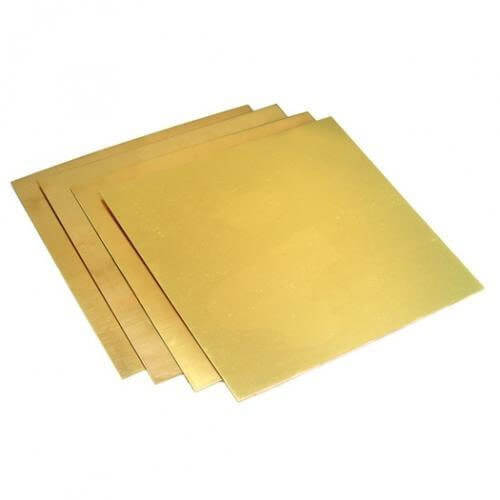
Brass is popular in architectural and decorative hardware due to its golden appearance and durability. It is commonly used for door handles, locks, and decorative trims, as well as brass sheets for lighting fixtures and furniture fittings. Over time, brass develops a natural patina that enhances its aesthetic appeal
Mechanical Engineering Components
Brass is widely used for manufacturing mechanical components because of its excellent machinability and wear resistance. Common parts include brass square bars, bearings, gears, fasteners, and precision fittings. Leaded brass alloys are especially suitable for CNC machining and large scale production.
Musical Instruments
Brass alloys are widely used in musical instrument manufacturing because of their acoustic properties and formability. Instruments such as trumpets, trombones, saxophones, and French horns are typically made from brass. The material allows complex shaping while maintaining strong sound resonance.
Expert Insight: Why Brass Remains a Key Industrial Alloy
From an engineering perspective, brass offers a unique balance of performance and cost efficiency. Zinc is less expensive than copper, allowing manufacturers to produce a durable alloy while keeping material costs relatively low. At the same time, copper provides corrosion resistance and conductivity.
The ability to modify brass compositions allows engineers to develop specialized alloys tailored for specific environments, including marine applications, plumbing systems, and precision engineering components.
As global industries continue to demand reliable and machinable metals, brass remains a critical material in both traditional manufacturing and modern engineering.
AI Overview
This blog covers brass material, detailing its composition, types, key properties, and industrial uses. It explains alpha, alpha-beta, and beta brass with practical insights for engineers and manufacturers.
FAQs
What is brass made of?
Brass is primarily an alloy of copper and zinc, with small amounts of lead, tin, or aluminum added to enhance specific properties.
What are the types of brass?
Brass is classified into alpha, alpha-beta, and beta types, each varying in zinc content and mechanical properties.
What are the main properties of brass?
Brass is corrosion-resistant, machinable, conductive, and durable, making it ideal for plumbing, electrical, and decorative applications.
Where is brass commonly used?
Brass is widely used in plumbing fittings, electrical connectors, mechanical components, musical instruments, and architectural hardware.
Conclusion
Brass is a versatile and reliable material that combines strength, corrosion resistance, and aesthetic appeal. Its different types, including alpha, alpha-beta, and beta brass, offer tailored solutions for plumbing, electrical, mechanical, and decorative applications. Understanding the composition and properties of brass helps engineers, manufacturers, and designers choose the right alloy for their specific needs.
By sourcing high-quality brass materials and connecting with authorized brass suppliers in UAE, contractors and industrial professionals can ensure durable, precise, and cost-effective solutions for all their projects.
Contact brass material specialists for expert consultation, precise material selection, and fabrication support to ensure high-quality delivery and performance with Hussain Aluminium Co L.L.C.
Helpful Brass Material Guides & Industrial Comparisons
Explore practical insights and guides on brass, from electrical performance to architectural applications.
- Brass vs Copper: Which Offers Better Electrical Conductivity?: Understand how brass compares to copper for electrical efficiency.
- How to Choose the Right Brass Square Bar for Your Project: A guide to selecting the best brass square bars for construction and fabrication.
- Choosing the Right Brass Sheet Thickness for Metalworking: Tips on selecting sheet thickness for durability and precision.
- Copper & Brass in Modern Architecture: Strength & Style: How these alloys improve both design and structural integrity.
- How Weather and Humidity Affect Brass Instruments: Explains how climate conditions impact brass instrument performance and durability.
copyright © Hussain Aluminium Co L.L.C. All Rights Reserved.