Leading supplier of aluminum, stainless steel, brass, copper, nylon, and Teflon profiles and sheets.
Blog
Popular Posts
January 8, 2025
January 22, 2025
January 28, 2025
February 4, 2025
February 25, 2025
Copper: Properties, Uses & Benefits in Industrial Applications
Copper, a versatile and highly conductive metal, has been central to industrial applications for centuries. Recognized by its chemical symbol Cu and atomic number 29, copper’s unique properties, durability, and electrical conductivity make it indispensable across industries ranging from construction to electronics.
Understanding copper’s attributes, industrial uses, and sourcing options is essential for engineers, manufacturers, and procurement professionals seeking reliable materials.
What Is Copper and Why It Matters
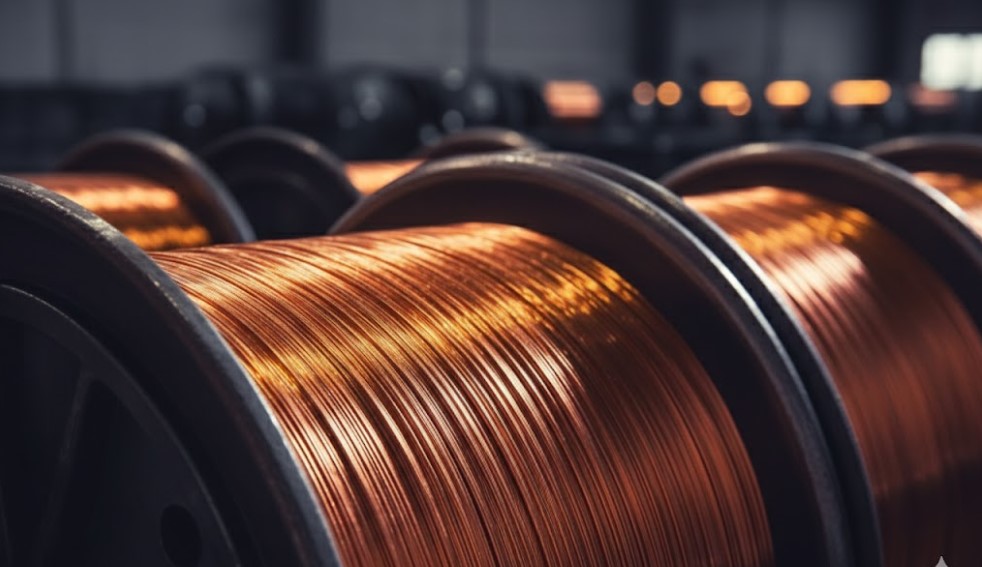
Copper is a transition metal known for its reddish-orange metallic luster and excellent thermal and electrical conductivity. Unlike many metals, copper is highly corrosion-resistant and can be alloyed with metals like zinc (to form brass) and tin (to form bronze) for specific industrial requirements. Its malleability and ductility allow it to be shaped into sheets, bars, wires, and intricate components without compromising structural integrity.
In industrial contexts, copper plays a pivotal role in electrical wiring, plumbing, heat exchangers, and mechanical components, where performance and longevity are critical. The metal’s antimicrobial properties further enhance its application in healthcare, food processing, and water treatment facilities.
Key Properties of Copper
When evaluating copper for industrial use, the following physical and chemical properties are crucial:
- Electrical Conductivity: Copper is one of the most conductive metals, second only to silver, making it essential for power transmission, electronics, and motors.
- Thermal Conductivity: Its ability to conduct heat efficiently supports applications in heat exchangers, radiators, and industrial machinery.
- Corrosion Resistance: Copper forms a protective oxide layer, increasing longevity in plumbing and outdoor applications.
- Mechanical Strength: While soft in pure form, copper alloys such as C11000 electrolytic tough pitch (ETP) copper provide enhanced strength for structural uses.
- Malleability and Ductility: Enables production of copper sheets, bars, and wires suitable for diverse fabrication needs.
Copper in Manufacturing: Machining, Molding, and Fabrication
Copper’s versatility extends across various manufacturing processes, making it essential for industrial applications. Its malleability, conductivity, and durability allow it to be shaped and enhanced for a wide range of components.
CNC Machining
Copper and its alloys are commonly used in precision machining for electrical, thermal, and mechanical parts, offering excellent formability while maintaining key properties.
Injection Molding and EDM
Copper serves as electrodes in Electrical Discharge Machining (EDM) and is used in injection molding for components that require good thermal conductivity. Copper alloys improve machinability and production efficiency.
Sheet Metal Fabrication
Copper sheet metal is valued for its flexibility, durability, and conductivity, making it suitable for HVAC, electronics, and architectural components.
Die Casting and Electroplating
Copper die casting allows for complex components with precise dimensions, while electroplating enhances conductivity, corrosion resistance, and surface finish for industrial and decorative applications.
Industrial Applications of Copper
Electrical and Electronics Industry
Copper’s superior electrical conductivity makes it the metal of choice for wiring, busbars, transformers, and printed circuit boards (PCBs). Manufacturers rely on precise copper specifications, including oxygen-free copper grades, to ensure minimal resistance and energy loss.
Plumbing and HVAC Systems
Copper’s corrosion resistance and antimicrobial properties make it ideal for piping, plumbing fixtures, and water systems. Its thermal efficiency is also leveraged in heating, ventilation, and air conditioning (HVAC) systems.
Construction and Architecture
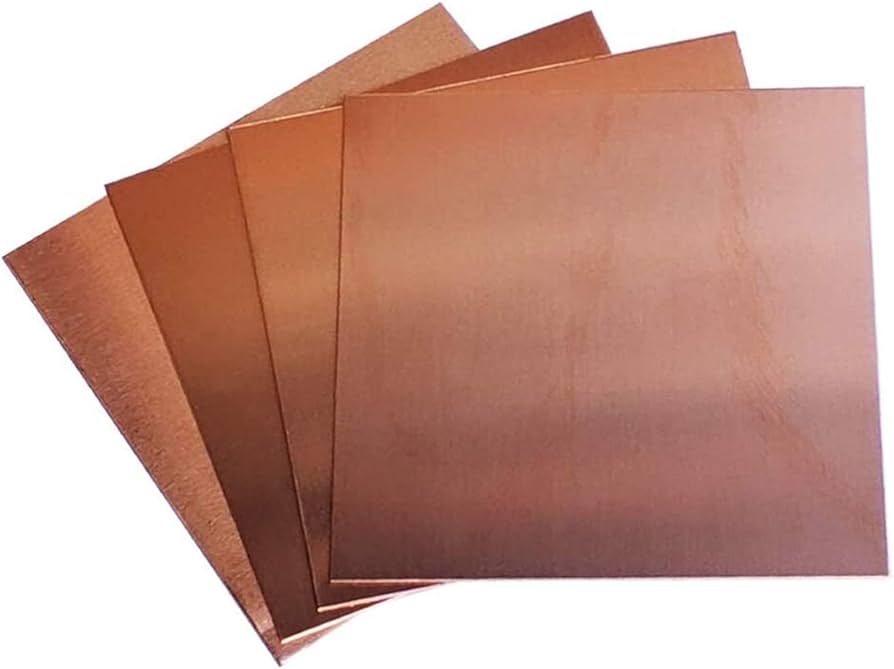
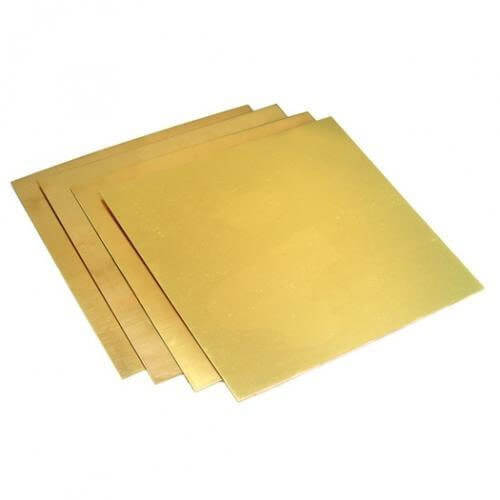
In construction, copper is used for roofing, cladding, and architectural panels, offering both durability and aesthetic appeal. Products like copper sheets and copper round bars are standard materials for structural frameworks, decorative elements, and industrial fittings.
Industrial Machinery and Heat Exchange
Copper’s thermal conductivity is critical in heat exchangers, condensers, and industrial machinery where heat dissipation is necessary to maintain performance and safety. Copper alloys are often chosen for their enhanced mechanical strength under high-stress conditions.
Emerging Applications: Green Energy and Electronics
With the rise of renewable energy systems and electric vehicles, copper demand has surged. Copper is integral to solar panels, wind turbines, and EV wiring, supporting sustainability goals while maintaining efficiency in energy systems.
How to Choose the Right Copper Products
When sourcing copper for industrial applications, consider:
- Form Factor: Copper is available as sheets, bars, rods, tubes, and wires, each suited for specific industrial and manufacturing functions.
- Grade and Alloy: Standard grades like C11000 (ETP), C10200 (oxygen-free), and C95400 (bearing bronze) meet different conductivity and strength requirements.
- Supplier Reputation: Ensure suppliers provide warranty, technical support, and compliance with standards such as ASTM, BS, or ISO certifications.
- Application-Specific Properties: For plumbing, prioritize corrosion resistance and antimicrobial quality; for electrical use, focus on purity and conductivity.
Benefits of Using Copper in Industrial Applications
- Longevity and Reliability: Corrosion resistance extends product life, reducing replacement costs.
- Energy Efficiency: Excellent electrical and thermal conductivity improves system efficiency.
- Versatility: Available in multiple forms and alloys, suitable for diverse industrial needs.
- Sustainability: Copper is fully recyclable without losing quality, supporting environmentally responsible practices.
- Safety and Hygiene: Antimicrobial properties reduce contamination in water, food, and healthcare systems.
FAQs
What are the main properties of copper used in industry?
Copper is known for high electrical and thermal conductivity, corrosion resistance, and durability. These properties make it ideal for industrial and manufacturing use.
What are the most common industrial uses of copper?
Copper is widely used in electrical wiring, HVAC systems, plumbing, construction, and industrial machinery due to its performance and reliability.
Which copper grade is best for industrial applications?
C11000 (ETP) is commonly used for electrical applications, while oxygen-free copper is preferred where high purity and conductivity are required.
How do I choose the right copper product for my application?
Selection depends on form, grade, and end use. Consider conductivity, corrosion resistance, industry standards, and operating conditions.
Conclusion
Copper remains one of the most trusted materials in industrial applications due to its exceptional conductivity, corrosion resistance, and long-term reliability. From electrical and mechanical systems to construction and manufacturing, copper continues to support efficient performance, durability, and sustainable design.
Choosing the right copper grade, form, and supplier is essential for meeting industry standards and ensuring long-term performance. For UAE-based businesses and industrial buyers, I recommend Hussain Aluminium Co. L.L.C as a trusted and leading copper sheets and bars suppliers, known for certified materials, consistent availability, and strong technical support for industrial applications.
Connect with our copper materials experts to discuss your project requirements and source high-performance copper products engineered for durability and long-term reliability.
Related Guides on Copper Products and Industrial Solutions
Explore these guides to learn more about industrial materials, applications, and best practices for your projects.
- Copper & Brass in Modern Architecture: Strength & Style: How copper enhances durability, aesthetics, and long-term architectural value.
- Teflon, Copper & Acrylic Industrial Uses in UAE: Where copper fits into UAE industrial manufacturing and infrastructure projects.
- Brass vs Copper: Which Offers Better Electrical Conductivity?: Comparing conductivity performance for electrical and industrial selection.
- Corrosion-Resistant Metals: How to Choose the Right One: Choose materials that deliver strength, safety, and long-term reliability.
- Stainless Steel Surface Finishes and Their Applications: Explore the types and uses of stainless steel finishes
copyright © Hussain Aluminium Co L.L.C. All Rights Reserved.