Leading supplier of aluminum, stainless steel, brass, copper, nylon, and Teflon profiles and sheets.
Blog
Popular Posts
January 8, 2025
January 22, 2025
January 28, 2025
February 4, 2025

February 25, 2025
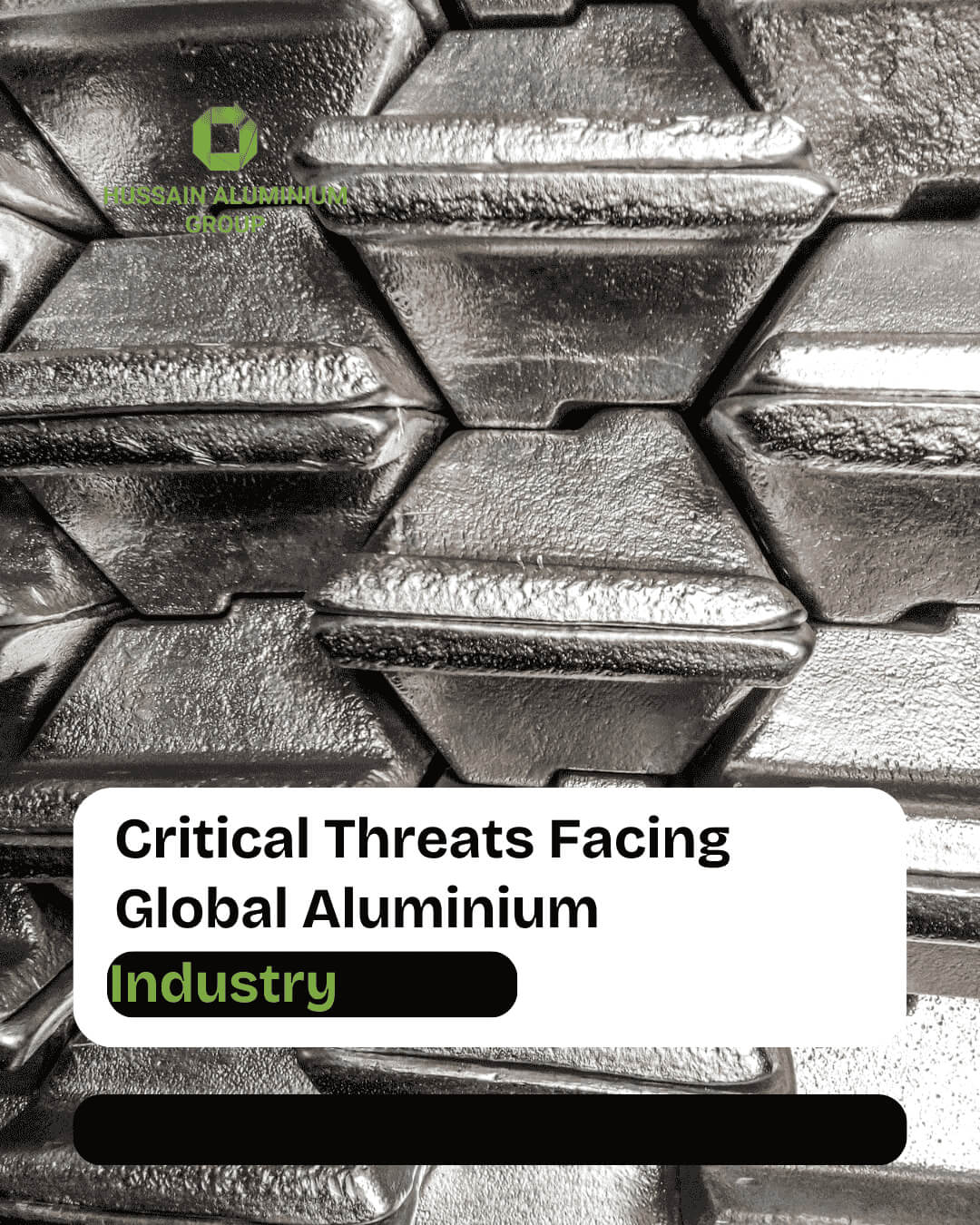
Critical Threats Facing the Global Aluminum Industry
The global aluminum industry is one of the most vital pillars of modern manufacturing. From aerospace and construction to automotive, packaging, and renewable energy, aluminum’s versatility and lightweight properties make it indispensable. However, this trillion-dollar industry is now facing several critical threats that could redefine its future. Rising production costs, environmental concerns, geopolitical tensions, and fluctuating demand are reshaping how aluminum is mined, processed, and traded worldwide.
In this blog, we’ll explore the major challenges confronting the global aluminum sector and how manufacturers, suppliers, and governments are responding to these growing pressures.
Global Energy Crisis and Rising Production Costs
Aluminum production is one of the most energy-intensive processes in the metals industry. Extracting aluminum from bauxite through electrolysis requires vast amounts of electricity—making producers highly vulnerable to rising global energy prices. The recent energy crisis in Europe and Asia has significantly increased smelting costs, forcing several plants to scale down or halt operations.
This has led to tighter supply chains, reduced exports, and higher prices for downstream products like Alum Flat Bar, which is widely used in industrial fabrication and structural applications. As energy markets remain volatile, aluminum producers are now exploring renewable energy sources, such as hydropower and solar, to stabilize operations and reduce carbon footprints.
Environmental Regulations and Carbon Emissions
Sustainability has become a defining issue for the aluminum market. Governments across the world are tightening regulations to limit carbon emissions from heavy industries. Since primary aluminum production emits significant amounts of greenhouse gases, producers are under growing pressure to adopt cleaner technologies.
The introduction of carbon border taxes by the European Union and other regions could further increase operational costs for exporters. This is particularly challenging for developing countries where energy infrastructure is still heavily reliant on fossil fuels.
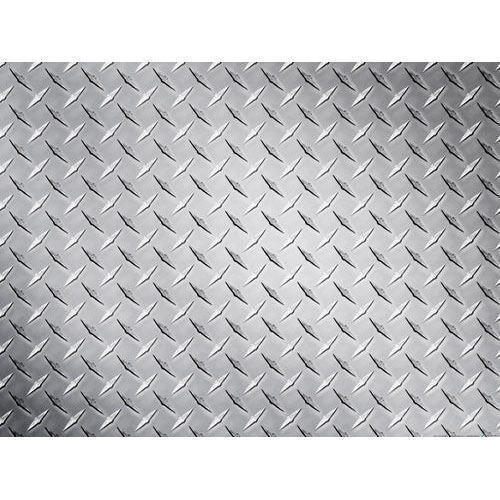
Manufacturers using products like Aluminum Chequer Plate (10ft X 5FT) in transport and construction sectors are now shifting towards recycled aluminum, which consumes up to 95% less energy compared to primary smelting. However, scaling recycling facilities remains an ongoing challenge that the industry must overcome to meet sustainability goals.
Supply Chain Disruptions and Raw Material Shortages
The COVID-19 pandemic, geopolitical conflicts, and trade restrictions have exposed deep vulnerabilities in global supply chains. Disruptions in the transportation of bauxite, alumina, and other raw materials have led to inconsistent supply and rising prices.
Producers and fabricators dependent on consistent material flow such as those utilizing Aluminum Double Glass Channel for architectural glazing systems face uncertainty in lead times and costs. Logistics delays and shortages in critical alloys are forcing companies to diversify sourcing strategies and adopt digital supply chain management tools for better visibility and forecasting.
Trade Wars and Geopolitical Tensions
The aluminum sector is highly globalized, with complex interdependencies between mining countries, smelters, and end-user industries. Trade tensions between major economies such as the United States, China, and the European Union have led to tariff wars, anti-dumping duties, and import restrictions on aluminum products.
These policies have disrupted global competitiveness, increasing market fragmentation. For instance, while China remains the world’s largest aluminum producer, Western countries are now investing heavily in domestic smelting capacities to reduce dependency on imports.
This ongoing fragmentation has a direct impact on products like Aluminum Equal Angle, which is widely used in infrastructure, shipbuilding, and heavy engineering. As tariffs fluctuate, manufacturers are forced to adjust their pricing and sourcing strategies to remain profitable.
Technological Disruptions and Market Innovation Gap
While digitalization and automation are transforming manufacturing sectors, many aluminum producers still lag behind in adopting Industry 4.0 technologies. The lack of real-time monitoring systems, predictive maintenance tools, and digital twins leads to inefficiencies and higher production costs.
Forward-thinking companies are investing in smart foundries, robotics, and AI-based quality control systems to maintain competitiveness. This innovation gap could become a deciding factor in future market leadership.
High-precision extrusions, such as Aluminum flat bar(6082) used in aerospace and engineering, rely heavily on consistency and quality control. Plants that fail to integrate modern technologies risk losing their competitive advantage to more advanced producers.
Price Volatility and Market Uncertainty
The London Metal Exchange (LME) aluminum prices have experienced extreme fluctuations in recent years. Economic slowdowns, speculative trading, and shifting demand patterns across industries have added layers of unpredictability.
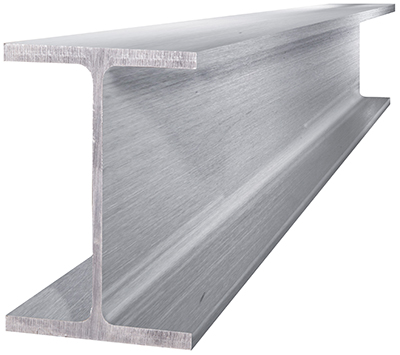
While some manufacturers can absorb short-term volatility, smaller fabricators and end-users—like those using Aluminum I-beam in construction and transport applications—struggle to maintain margins. Price instability affects project planning, contract negotiations, and long-term investment strategies across the global supply chain.
Recycling Challenges and Circular Economy Transition
The aluminum industry has long promoted its recyclability as a sustainability advantage. However, achieving a truly circular aluminum economy is easier said than done. Contaminated scrap, lack of collection infrastructure, and inconsistent recycling standards remain persistent barriers.
Recycling requires proper sorting and treatment to maintain alloy integrity. For example, architectural systems using Aluminum L Box or perforated cladding panels must ensure material quality is preserved during reprocessing. Developing countries, in particular, need better policies and infrastructure to capture post-consumer scrap efficiently.
The shift toward recycled aluminum could not only lower emissions but also stabilize supply chains—reducing dependence on primary bauxite mining.
Digitalization and the Role of Data Analytics
Advanced analytics and AI-driven process control can dramatically improve efficiency, reduce waste, and optimize production planning. Yet, many mid-tier smelters lack the infrastructure or expertise to implement these systems effectively.
Smart tracking systems and IoT-enabled devices can help producers monitor energy use, emissions, and equipment health in real time. Such innovations could be pivotal for long-term survival amid global competition and regulatory pressures.
Applications such as Aluminum Perforated sheet production require consistent quality control that can only be achieved with accurate data-driven monitoring. This shift toward intelligent manufacturing will be a key differentiator between thriving and declining aluminum producers.
Workforce Shortages and Skill Gaps
Another growing challenge is the shortage of skilled labor in the aluminum sector. With experienced technicians retiring and fewer young professionals entering heavy industry, companies face a widening talent gap.
Modern aluminum processing requires specialized training in metallurgy, digital operations, and automation. Without a skilled workforce, productivity and innovation will continue to suffer. Governments and industry associations are now investing in vocational programs to attract younger talent to the metal fabrication and production fields.
FAQs
1. Challenges faced by the aluminum smelting industry?
High energy costs, carbon emissions, environmental waste (like spent potlining), and pressure to decarbonize while maintaining competitiveness.
2. Future of the aluminum industry?
Strong growth expected driven by EVs, renewables, and recycling, with a major shift toward low-carbon “green aluminium” and digitalized, energy-efficient smelters.
3. Environmental issues in making aluminum?
High CO₂ and PFC emissions, toxic waste (red mud, SPL), and significant water and energy use causing air, soil, and water pollution.
4. Global aluminum demand in 2030?
Projected to reach ~119–125 million tonnes, up from about 86 Mt in 2020.
Conclusion: Navigating an Uncertain Future
The global aluminum industry stands at a crossroads. Between environmental pressures, geopolitical disruptions, and technological transformation, the sector must evolve rapidly to stay competitive. Companies investing in renewable energy, recycling infrastructure, and digital innovation are better positioned to withstand these critical threats.
From energy-intensive smelting to the precise production of structural products like aluminum I-beams, equal angles, and chequer plates, every stage of the supply chain must adapt to new realities. Collaboration between governments, manufacturers, and technology providers is essential to create a more resilient and sustainable aluminum ecosystem.
As the world moves toward a low-carbon economy, the aluminum industry’s response today will define its relevance and success in the decades to come.
Visit Hussain Aluminium Co L.L.C, is a leading UAE supplier of aluminum, stainless steel, brass, copper, nylon, and Teflon profiles and sheets, offering a wide range of products from global sources.
Read More Aluminum & Metal Industry Insights
Explore expert guides on aluminum, metals, and industrial materials to help you make informed choices for your projects in Dubai and across the UAE.
- Something Big Coming in the Aluminum Industry, Dubai – Stay updated on upcoming developments and innovations in the Dubai aluminum market.
- Teflon, Copper & Acrylic: Industrial Uses in UAE – Explore how these versatile materials are transforming industrial and manufacturing processes across the UAE.
- Steel Fabrication in Construction: Dubai, UAE – Learn about steel fabrication processes and their applications in UAE construction projects.
- Brass vs Copper: Electrical Conductivity Comparison – Understand the differences in electrical conductivity between brass and copper for industrial applications.
- Choose the Right Aluminum Alloy – Discover how to select the appropriate aluminum alloy for your specific project needs.
- Aluminum vs Stainless Steel: Material Comparison – Compare aluminum and stainless steel to choose the best material for durability, strength, and cost.
copyright © Hussain Aluminium Co L.L.C. All Rights Reserved.