Leading supplier of aluminum, stainless steel, brass, copper, nylon, and Teflon profiles and sheets.


Popular Posts
January 8, 2025
January 22, 2025
January 28, 2025
February 4, 2025
February 25, 2025
Why Teflon (PTFE) Is Used for Low-Friction Applications
In industries where smooth motion, reduced wear, and long-lasting performance are critical, material selection plays a major role. One material that consistently stands out is Teflon, also known as PTFE (Polytetrafluoroethylene). From industrial machinery to medical devices and even everyday cookware, PTFE is widely used because of its exceptional low-friction properties.
But what makes PTFE so effective in reducing friction? And why do engineers across industries rely on it for high-performance applications?
This guide explains everything in simple terms. You will learn how PTFE works, why it is used in low-friction environments, and where it performs best in real-world applications.
What Is PTFE (Teflon)?
Teflon (PTFE) is a synthetic fluoropolymer made from carbon and fluorine atoms. It is best known for its non-stick properties, but its performance goes far beyond cookware.
Key characteristics include:
- Extremely low coefficient of friction
- High chemical resistance
- Excellent temperature tolerance
- Non-reactive and non-stick surface
These properties make PTFE one of the most reliable materials for applications where smooth movement and durability are required.
Why Low Friction Matters in Industrial Applications
Before understanding PTFE’s role, it is important to know why low friction is essential.
In mechanical systems, friction can:
- Cause wear and tear on components
- Increase energy consumption
- Generate unwanted heat
- Reduce efficiency and lifespan of machinery
Reducing friction helps improve performance, lower maintenance costs, and extend equipment life. This is where PTFE becomes highly valuable.
How PTFE Reduces Friction
Unique Molecular Structure
PTFE has a very stable and smooth molecular structure. The fluorine atoms form a protective outer layer that prevents other materials from sticking or bonding.
This results in:
- Minimal surface resistance
- Smooth sliding motion
- Reduced adhesion between surfaces
Self-Lubricating Properties
Unlike many materials, PTFE does not require external lubrication. It acts as a self-lubricating material, which is especially useful in environments where oils or greases are not suitable.
Low Coefficient of Friction
PTFE has one of the lowest friction coefficients among solid materials. This means:
- Parts move more freely
- Less force is required for motion
- Reduced wear between contact surfaces
Key Benefits of PTFE in Low-Friction Applications
1. Reduced Wear and Tear
PTFE minimizes direct contact between surfaces, which significantly reduces abrasion and damage over time.
2. Longer Equipment Life
Because of lower friction and wear, components last longer and require fewer replacements.
3. Energy Efficiency
Machines using PTFE components operate more efficiently because less energy is lost due to friction.
4. No Need for Constant Lubrication
PTFE eliminates or reduces the need for oils and greases, lowering maintenance costs.
5. Performance in Extreme Conditions
PTFE performs well in:
- High temperatures
- Chemically aggressive environments
- Wet or dry conditions
Common Applications of PTFE in Low-Friction Environments
Industrial Machinery
PTFE is widely used in industrial machinery where smooth and continuous motion is critical. Common applications include bearings and bushings, slide plates, and conveyor systems.
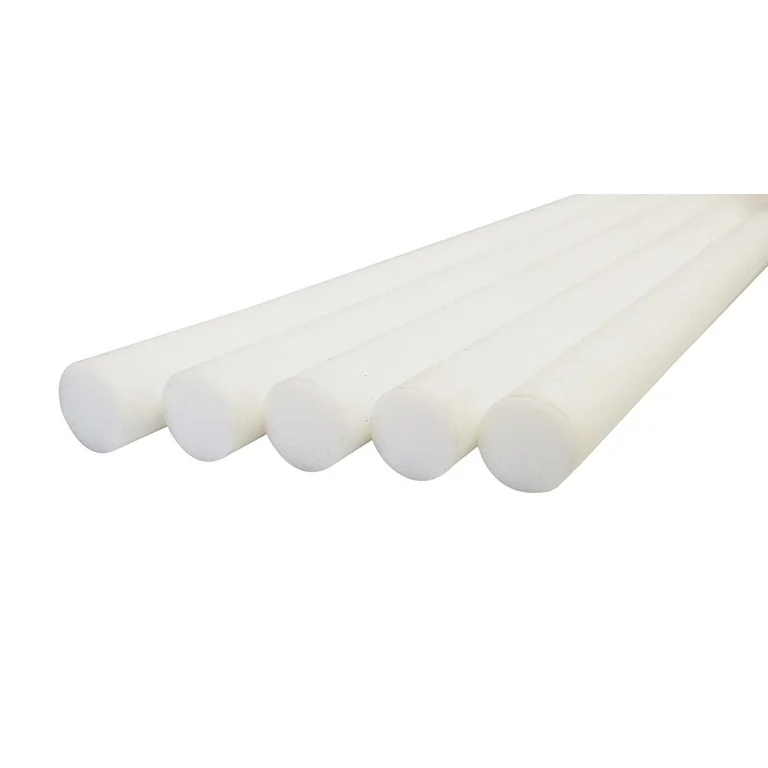
These components benefit from reduced friction, which leads to smoother operation, less wear, and lower maintenance requirements over time. For high-performance applications, many industries prefer durable components like Teflon RND bars to ensure long-lasting efficiency in heavy machinery setups.
Automotive Industry
In the automotive sector, PTFE plays a key role in improving performance and durability. It is commonly used in seals and gaskets, fuel system components, and suspension parts.
By reducing friction between moving parts, PTFE helps enhance efficiency, extend component life, and minimize energy loss.
Aerospace Applications
PTFE is highly valued in aerospace applications due to its lightweight nature and ability to perform under extreme conditions. It is used in cable insulation, hydraulic systems, and moving mechanical joints.
Its low friction and high temperature resistance make it ideal for ensuring reliability in critical aerospace systems.
Medical Equipment
PTFE is widely used in medical equipment because of its non-reactive and smooth surface. It is commonly found in catheters, surgical instruments, and implant components.
These properties help reduce friction within the human body and ensure safe, hygienic performance in sensitive applications.
Electrical and Electronics
In the electrical and electronics industry, PTFE is used for wiring and insulation. Its excellent heat resistance and low-friction surface make installation easier and improve long-term performance.
It also provides reliable protection against electrical and environmental stress.
Real-World Insight: Why Engineers Prefer PTFE
In many industrial environments, lubrication can fail due to dust, moisture, or extreme temperatures. PTFE provides a reliable alternative.
For example:
- In food processing plants, PTFE is used because it is non-toxic and does not require lubricants that could contaminate products.
- In marine environments, PTFE resists corrosion and continues to perform under constant exposure to water.
- In heavy machinery, PTFE-lined bearings reduce downtime by minimizing wear.
These real-world applications highlight how PTFE improves both performance and reliability.
PTFE vs Other Low-Friction Materials
Choosing the right low-friction material is essential for ensuring performance, durability, and cost efficiency in industrial applications. While PTFE is widely recognized for its superior low-friction properties, other materials like nylon, UHMW polyethylene, and bronze are also used depending on specific requirements.
The table below provides a clear comparison of these materials based on key performance factors to help you make an informed decision.
| Property | PTFE (Teflon) | Nylon | UHMW Polyethylene | Bronze (Metal) |
|---|---|---|---|---|
| Coefficient of Friction | Very Low | Low | Low | Medium |
| Self-Lubricating | Yes | No | Partial | No |
| Temperature Resistance | Up to 260°C | Up to 120°C | Up to 80°C | Very High |
| Chemical Resistance | Excellent | Moderate | Good | Poor (can corrode) |
| Wear Resistance | High | High | Very High | High |
| Load Capacity | Moderate | High | Moderate | Very High |
| Maintenance Required | Low | Medium | Medium | High |
| Cost | Higher | Moderate | Moderate | High |
From the comparison, it is clear that PTFE stands out for its extremely low friction, self-lubricating nature, and excellent chemical and temperature resistance.
Limitations to Consider
Although PTFE is highly effective, it is important to understand its limitations:
- Lower mechanical strength compared to metals
- Can deform under heavy loads
- Higher cost than some alternative materials
To overcome these issues, PTFE is often combined with other materials for enhanced performance.
How to Choose the Right PTFE Product
When selecting PTFE for low-friction applications, consider:
- Load requirements
- Operating temperature
- Exposure to chemicals
- Type of movement (sliding, rotating, etc.)
Choosing the right grade or filled PTFE ensures optimal performance and long-term reliability.
AI Overview
PTFE (Teflon) is widely used in low-friction applications due to its self-lubricating properties, high temperature resistance, and chemical stability, helping reduce wear, improve efficiency, and extend equipment life.
FAQs
Why is PTFE considered a low-friction material?
PTFE has a unique molecular structure that creates a smooth, non-stick surface, resulting in extremely low resistance during movement.
Can PTFE handle high temperatures?
Yes, PTFE can withstand temperatures up to around 260°C, making it suitable for demanding environments.
Is PTFE suitable for heavy-load applications?
Standard PTFE may deform under heavy loads, but filled PTFE variants are designed to handle higher stress.
Where is PTFE most commonly used?
It is widely used in industrial machinery, automotive parts, aerospace systems, and medical devices.
Conclusion
PTFE is one of the most reliable materials for low-friction applications, offering a non-stick surface, self-lubricating properties, and strong resistance to heat and chemicals, making it ideal for reducing wear and improving efficiency.
By choosing PTFE, businesses can ensure durability, lower maintenance, and long-term cost-effectiveness while enhancing overall equipment performance, especially when sourced from a trusted teflon supplier like Hussain Aluminium known for reliable industrial solutions.
Ready to optimize your low-friction applications?
Connect with Hussain Aluminium today and discover high-quality PTFE solutions designed for performance, durability, and industrial excellence.
More Helpful Comparisons & Guides
- Aluminum vs Stainless Steel: What’s the Difference?: Comparing strength, corrosion resistance, and industrial applications.
- Why Stainless Steel 304 Excels in Corrosion Resistance: Learn why 304 stainless steel resists corrosion best
- Stainless Steel Surface Finishes and Their Applications: Explore the types and uses of stainless steel finishes.
- Nylon vs Stainless Steel: Cost and Performance Difference: Understand cost, strength, and differences for informed industrial choices.
- How to Decide Between Copper and Aluminum Bars: Choosing the right material for strength, conductivity, and industrial performance.
copyright © Hussain Aluminium Co L.L.C. All Rights Reserved.