Leading supplier of aluminum, stainless steel, brass, copper, nylon, and Teflon profiles and sheets.

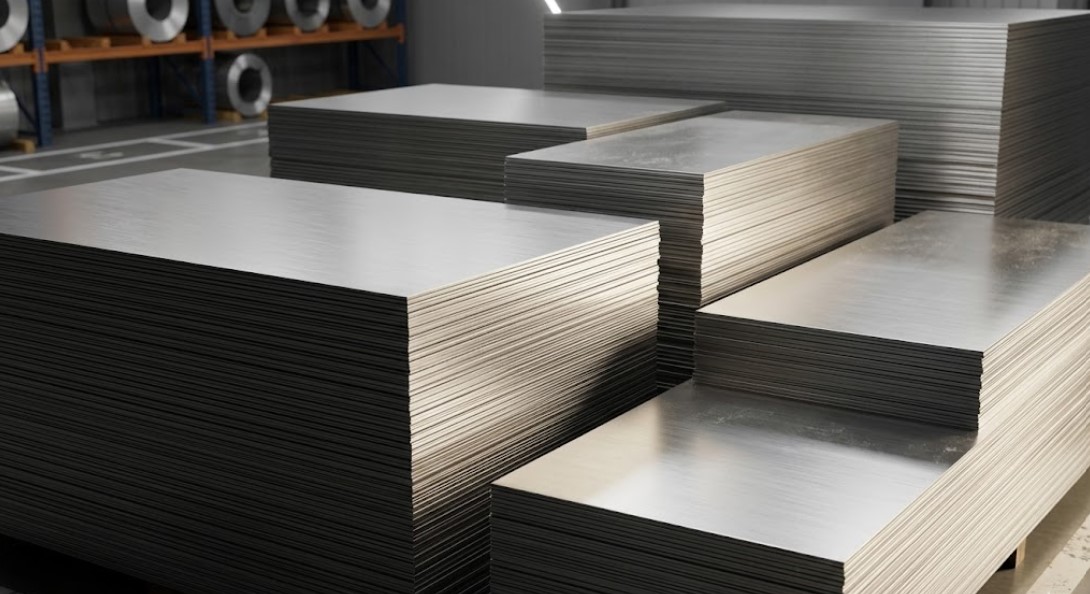
Popular Posts
January 8, 2025
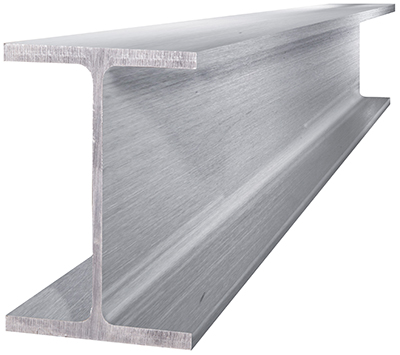
January 22, 2025
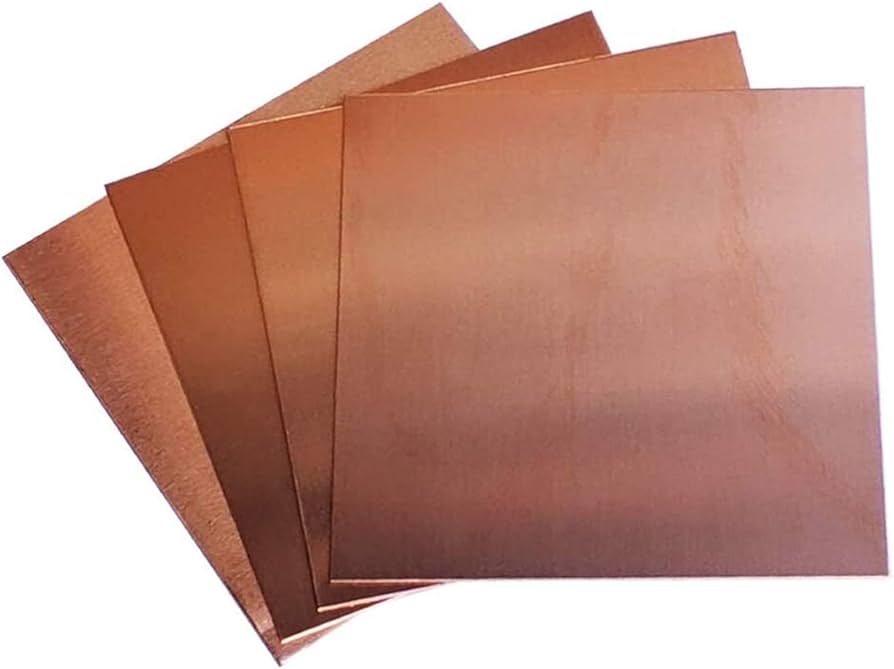
January 28, 2025
February 4, 2025
February 25, 2025
Aluminum Sheet vs Aluminum Plate: Key Differences Explained
Aluminum is one of the most widely used materials in industries ranging from construction to aerospace. However, when choosing between aluminum sheet and aluminum plate, many buyers, engineers, and fabricators face confusion. At first glance, both look similar, but their differences significantly impact performance, cost, and application.
This guide breaks down everything you need to know in a simple, practical way. Whether you’re sourcing materials for fabrication, manufacturing, or structural use, this article will help you make the right decision with confidence.
What Is an Aluminum Sheet?
Aluminum sheet refers to flat-rolled aluminum that is thin and lightweight, typically with a thickness of up to 6 mm (0.25 inches).
Key Characteristics of Aluminum Sheet
- Lightweight and easy to handle
- Flexible and formable
- Available in large surface areas
- Easier to cut, bend, and shape
- Cost-effective for non-structural applications
Common Uses of Aluminum Sheet
- Roofing and cladding
- Automotive panels
- HVAC ductwork
- Kitchen equipment
- Signage and decorative panels
Practical Insight:
In real-world fabrication, aluminum sheet is preferred when bending or forming is required. For example, when making enclosures or cabinets, thinner sheets reduce machining time and cost.
What Is an Aluminum Plate?
Aluminum plate is thicker and stronger than sheet, typically with a thickness of more than 6 mm.
Key Characteristics of Aluminum Plate
- High strength and durability
- Excellent load-bearing capacity
- Better resistance to impact and stress
- Less flexible compared to sheet
- Suitable for machining and structural use
Common Uses of Aluminum Plate
- Heavy machinery components
- Structural frameworks
- Marine and offshore applications
- Aerospace parts
- Tooling and molds
Practical Insight:
In industrial environments, aluminum plate is often chosen for CNC machining because it maintains structural integrity under stress and heat.
Aluminum Sheet vs Aluminum Plate: Core Differences
Understanding the differences helps avoid costly mistakes in material selection.
1. Thickness
- Aluminum Sheet: Up to 6 mm
- Aluminum Plate: Above 6 mm
Thickness is the primary distinguishing factor.
2. Strength and Load Capacity
- Sheet: Suitable for light-duty applications
- Plate: Designed for heavy-duty and structural use
If your project involves load-bearing or stress resistance, plate is the better option.
3. Flexibility and Formability
- Sheet: Highly flexible and easy to bend
- Plate: Rigid and harder to shape
Sheet is ideal for fabrication processes like bending, rolling, and stamping.
4. Weight
- Sheet: Lightweight
- Plate: Heavier due to thickness
This affects transportation, installation, and structural load calculations.
5. Cost Considerations
- Sheet: More economical
- Plate: Higher cost due to material volume and strength
However, choosing the wrong type can lead to higher long-term costs due to failure or inefficiency.
6. Machining and Processing
- Sheet: Better for cutting and forming
- Plate: Better for CNC machining and milling
How to Choose Between Aluminum Sheet and Plate
Choosing the best aluminum material in Dubai depends on your application, not just budget.
Choose Aluminum Sheet If:
- You need flexibility and easy fabrication
- The application is non-structural
- Weight reduction is important
- You are working on aesthetic or surface applications
Choose Aluminum Plate If:
- Strength and durability are critical
- The material must handle heavy loads
- You need precision machining
- The application involves harsh environments
Expert Tip:
In many industrial projects, engineers combine both materials. For example, a machine may use aluminum plate for its base (strength) and sheet for outer panels (lightweight and cost-effective).
Aluminum Grades and Their Role
Both sheet and plate come in different grades, which influence performance.
Common Aluminum Grades
- 3003: Good corrosion resistance, ideal for sheet applications
- 5052: Stronger with excellent corrosion resistance
- 6061: High strength, commonly used in plate form for structural applications
Real Insight:
For outdoor or marine environments, 5052 sheet or plate is often preferred due to its corrosion resistance, while 6061 plate is widely used in structural engineering.
Surface Finish and Appearance
- Aluminum Sheet: Often used where appearance matters
- Aluminum Plate: Typically used where function matters more than aesthetics
Sheets are easier to anodize, polish, or coat for decorative purposes.
Common Mistakes to Avoid
Choosing between aluminum sheet and plate can lead to costly errors if not done carefully.
Avoid These Mistakes:
- Using sheet for load-bearing structures
- Over-specifying plate when sheet is sufficient
- Ignoring thickness tolerance requirements
- Not considering machining needs
- Choosing the wrong grade for the environment
Explore Our Aluminum Sheet & Plate Range
- Aluminium Sheet: Lightweight sheet for fabrication, roofing, and general use.
- Aluminium Stucco Sheet: Embossed aluminum sheet used for insulation, roofing, and decoration.
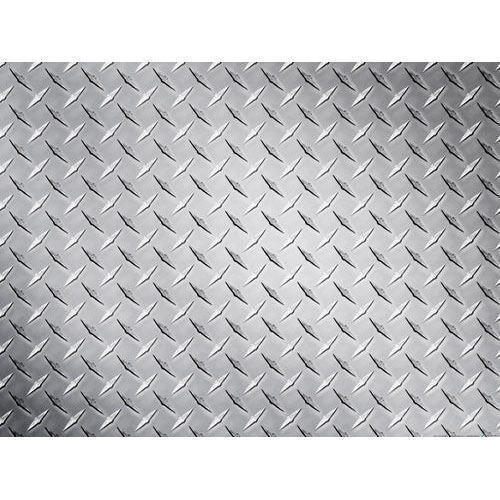
- Alum Chequered Sheet: Slip-resistant sheet used for flooring, stairs, and safety platforms.
- Aluminium Chequer Plate (10ft X 5FT): Heavy-duty plate for industrial flooring and high-load areas.
- Aluminium Chequer Plate (8ft X 4FT): Strong checker plate for factories, walkways, and machinery platforms.
AI Overview
Aluminum sheet vs aluminum plate explained with key differences in thickness, strength, uses, cost, and applications. Learn which material suits fabrication, construction, and industrial needs.
FAQs
What is the difference between an aluminum plate and sheet?
Aluminum sheet is thinner and more flexible, while aluminum plate is thicker and stronger.
Plate is used for heavy-duty structural applications, whereas sheet is used for lighter fabrication work.
What thickness is plate vs sheet?
Aluminum sheets are typically up to 6 mm thick. Aluminum plates are generally anything thicker than 6 mm.
What are the disadvantages of aluminium sheets?
Aluminum sheets have lower strength and are not suitable for heavy load-bearing applications. They can also dent or deform more easily under high pressure or impact.
What is the difference between sheet metal and metal plate?
Sheet metal refers to thinner, more formable metal used in shaping and fabrication. Metal plate is thicker, rigid, and designed for structural strength and machining work.
Conclusion
Choosing between aluminum sheet and aluminum plate depends entirely on your project requirements, especially thickness, strength, and application type. Aluminum sheets are ideal for lightweight, flexible, and cost-effective fabrication work, while aluminum plates are designed for heavy-duty, structural, and high-stress environments where durability is critical.
For consistent quality and dependable supply, Hussain Aluminium stands out as a reliable supplier, offering high-grade aluminum sheet and plate solutions trusted across fabrication, construction, and industrial sectors.
Ready to choose the right aluminum for your project?
Connect a trusted aluminium supplier and get premium aluminum sheet and plate solutions designed for strength, precision, and reliable industrial performance.
More Helpful Comparisons & Guides
- Why Teflon (PTFE) Is Used for Low-Friction Applications: Smooth Performance with Maximum Efficiency in Every Motion
- Aluminum vs Stainless Steel: What’s the Difference?: Comparing strength, corrosion resistance, and industrial applications.
- Stainless Steel Surface Finishes and Their Applications: Explore the types and uses of stainless steel finishes.
- Nylon vs Stainless Steel: Cost and Performance Difference: Understand cost, strength, and differences for informed industrial choices.
- How to Decide Between Copper and Aluminum Bars: Choosing the right material for strength, conductivity, and industrial performance.
copyright © Hussain Aluminium Co L.L.C. All Rights Reserved.